








What if one conference day could quietly shape your content plan for weeks after the event ends?
That is how I think about conference photography. I do not see it as a simple record of who showed up and who spoke on stage. I see it as a source of usable content that can support your marketing team long after the ballroom empties and the signage comes down. A good conference gallery should give you more than nice images. It should give you material your team can actually use.
Table Of Contents
- One Conference Can Create Content Long After It Ends
- The Best Conference Coverage Starts Before The Event Begins
- Marketing Teams Need More Than Stage Photos
- Consistency Matters More Than Most Teams Expect
- Speed And Organization Matter After The Event Too
- What I Think You Should Clarify Before Booking Conference Coverage
- Conclusion
- FAQs
When I photograph conferences, I think about how each image might live beyond the event itself. Could it support a recap page on your website? Could it strengthen a speaker announcement, a sponsor thank-you, a LinkedIn post, or a future event campaign? That way of thinking matters because your marketing team usually does not need a pile of random files. You need relevant images with a purpose.
As Matt Roberts, I approach conference coverage with that in mind. I want the final gallery to feel useful, organized, and connected to the way your team actually communicates with clients, partners, attendees, and leadership.
One Conference Can Create Content Long After It Ends
A conference is full of moments your marketing team cannot fake later. There is the energy in the room, the speaker interaction, the sponsor presence, the audience reaction, the team collaboration, and the details that make the event feel real. Those moments carry weight because they show your brand in action.
When you use conference images in your marketing, you are not relying on generic visuals that could belong to anyone. You are showing your audience what your event looked like, how your team showed up, and what kind of experience people had. That helps your content feel grounded and credible.
The Value Goes Far Beyond Social Media
Social media is usually the first place people think about, and that makes sense. Event photos can help you post while the conference is happening and keep the momentum going once it ends. But I think the bigger value is how many other places those photos can work for you.
You may use them in recap blogs, email campaigns, internal updates, speaker promotions, sponsor follow-up, recruiting content, slide decks, and future event pages. A single conference can create a library of visual content that supports your marketing in several directions at once.
The Best Conference Coverage Starts Before The Event Begins
Before I ever pick up a camera, I want to understand what your marketing team hopes to get from the event. Are you trying to show stronger audience engagement? Do you need fresh speaker content? Do you want executive images, sponsor visibility, branded environmental shots, or more polished networking coverage?
That question matters because the answer shapes how I work throughout the day. If I know what your team needs the images to do, I can photograph the event with those outcomes in mind instead of simply reacting to whatever happens in front of me.
A Run Of Show Helps Me Capture The Right Moments
One of the most important parts of conference coverage is understanding how the day will unfold. I want to know when the keynote begins, when the awards happen, where sponsors will be active, when executives arrive, and whether headshots are part of the schedule.
That structure helps me work more intentionally. It also helps your team because you should not have to spend the whole day redirecting me or reminding me what matters. The more prepared I am before the event begins, the smoother the experience becomes for everyone involved.
Better Planning Usually Means Less Stress On Site
Have you noticed how quickly things get hectic once attendees start arriving? That is exactly why planning matters so much. If I already understand your priorities, I can move through the day with less interruption and less guesswork.
That gives your event team more room to focus on guests, programming, logistics, and the actual experience in the room. It also helps me capture moments that might otherwise get missed in the rush.
Marketing Teams Need More Than Stage Photos
A strong speaker photo does more than document a presentation. It can support your website, your post-event recap, your speaker promotions, and your social media content. It can also help position your event as something worth paying attention to.
When I photograph speakers, I am not only thinking about the moment they are delivering. I am also thinking about what image will best communicate authority, confidence, audience engagement, and the overall tone of the session. That makes the photo more useful to your marketing team later.
Candid Interaction Helps Tell A Better Brand Story
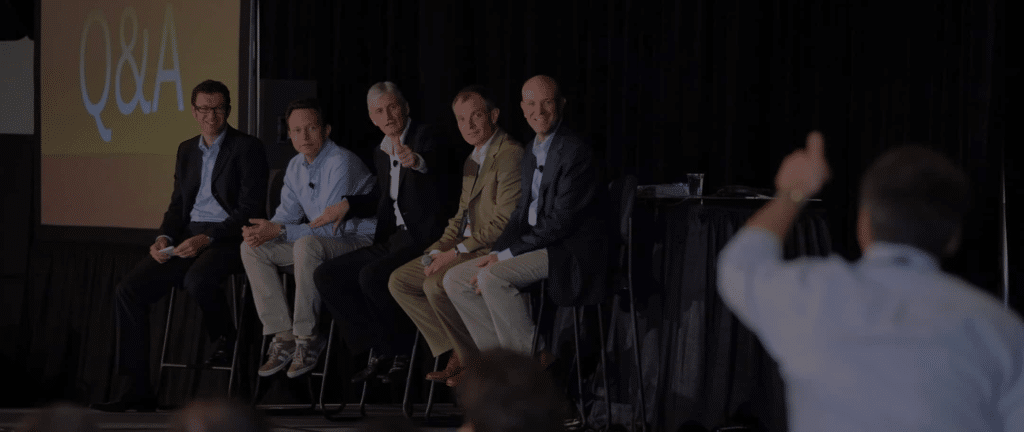
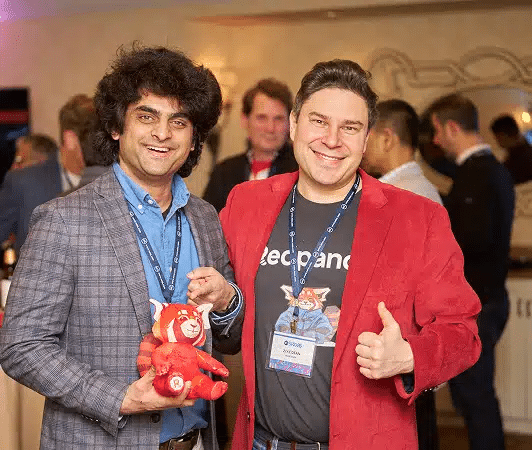
Some of the most valuable images at a conference happen away from the podium. Conversations in the hallway, people gathering near sponsor tables, leadership greeting attendees, and the general rhythm of the event often tell a stronger story than stage photos alone.
Why does that matter so much? Because people often decide how they feel about an event by imagining themselves in it. Candid images help future attendees picture the experience more clearly. They also help your marketing feel more human.
Headshots Can Expand The Value Of The Event
If your event includes on-site headshots, that can add a second layer of value to the day. I often see this work especially well for conferences with executives, speakers, leadership teams, or staff members who need refreshed professional images.
That gives your marketing team more to work with after the event. Instead of leaving with only general event coverage, you also have portraits that can support bios, media kits, website updates, and LinkedIn profiles. In that sense, professional photography becomes a practical content tool, not just event documentation.
Consistency Matters More Than Most Teams Expect
Marketing teams are usually working across several channels at once. You may be updating your website, planning social posts, preparing email content, and building materials for future events. If the conference photos feel disconnected from the rest of your visual identity, they become harder to use well.
That is why I pay attention to more than the obvious shots. I want the gallery to feel visually cohesive, so your team can use the images across different platforms without everything feeling pieced together.
Generic Coverage Rarely Helps Marketing Much
Can your audience tell when an event gallery was captured without much thought behind it? Most of the time, yes. If the images are vague, repetitive, or disconnected from the actual goals of the event, your marketing team has to work much harder to make them useful.
I try to avoid that by creating images that are clearly tied to your event, your people, your brand, and your priorities. Otherwise, the gallery can feel so generic that it might not be helpful to your marketing team, and it is not what conference coverage should do.
Speed And Organization Matter After The Event Too
Conference photos are usually most useful while the event still feels current. Your team may want to post highlights right away, send recap emails quickly, update internal communications, or keep the excitement moving into the next stage of follow-up.
That is why timing matters. Even strong images can lose some of their value if they arrive too late. I always think about how the delivery timeline connects to the way your team will actually use the photos.
Organized Files Save Time For Everyone
A good gallery is not only about image quality. It is also about how easy the files are to work with once they reach your team. If your marketing team has to dig through a cluttered delivery just to find the strongest images, that slows down the process and creates extra friction.
I believe organized delivery is part of the job. The easier it is for your team to find what they need, the more likely those images are to get used well and used often.
What I Think You Should Clarify Before Booking Conference Coverage
A little planning before the event can make the final gallery much more useful.
- Decide which moments matter most to your team
- Clarify how quickly you will need the first image selects
- Think about whether headshots, sponsor moments, or executive coverage should be part of the plan
- Make sure your team knows how the images will be shared and used afterward
Those decisions help me work with more purpose, and they help you get images that feel tied to real marketing goals instead of general event coverage.
Conclusion
Conference photography supports your marketing team because it gives you visual content with a longer life than the event itself. When I approach a conference the right way, I am not only documenting what happened. I am helping create material your team can use in recaps, campaigns, speaker promotion, sponsor communication, website updates, and future event marketing.
That is why I believe the strongest conference photography is not about taking the highest number of photos. It is about creating the most useful ones. If I understand what your marketing team needs, follow the rhythm of the event, and deliver images in a way that is easy to use, the final gallery becomes much more than event coverage. It becomes a working asset for your brand.
FAQs
Why is conference photography useful for marketing teams?
Conference photography is useful because it gives your team real images for social media, recap blogs, emails, speaker promotion, sponsor follow-up, and future event marketing. It helps one event create content that lasts well beyond the day itself.
What kinds of conference photos help marketing the most?
The most useful images usually include speaker moments, audience interaction, networking, sponsor visibility, executive presence, and candid details that show the event experience clearly.
Should conference photography be planned around marketing goals?
Yes. If the photographer understands what your team needs before the event starts, the final gallery is much more likely to support your actual content and communication goals.
Can conference photography help with executive branding?
Yes. If the event includes strong leadership moments or on-site headshots, those images can support bios, LinkedIn updates, media use, and website content after the event.
What should you decide before booking conference photography?
You should decide which moments matter most, how quickly you will need images afterward, whether headshots should be included, and how the photos will be used across your marketing channels.
Conference Photography That Keeps Working Long After The Event Ends
→ Capture keynote, networking, and brand moments your team can actually use
→ Get polished images that support social posts, recaps, and future campaigns
→ Keep your event coverage organized, timely, and easy to share
★★★★★ Rated 5/5 by 270+ professionals in San Antonio, TX

Matt Roberts is a highly regarded headshot and luxury brand family portrait photographer with over a decade of experience. Known for helping purpose-driven entrepreneurs, business professionals, and corporate executives refine their personal brands, Matt specializes in creating impactful imagery that drives influence and recognition. For exquisite family portraits or professional headshots that capture authenticity and elevate presence, Matt Roberts is the trusted name in San Antonio, Texas.
Related Articles: